

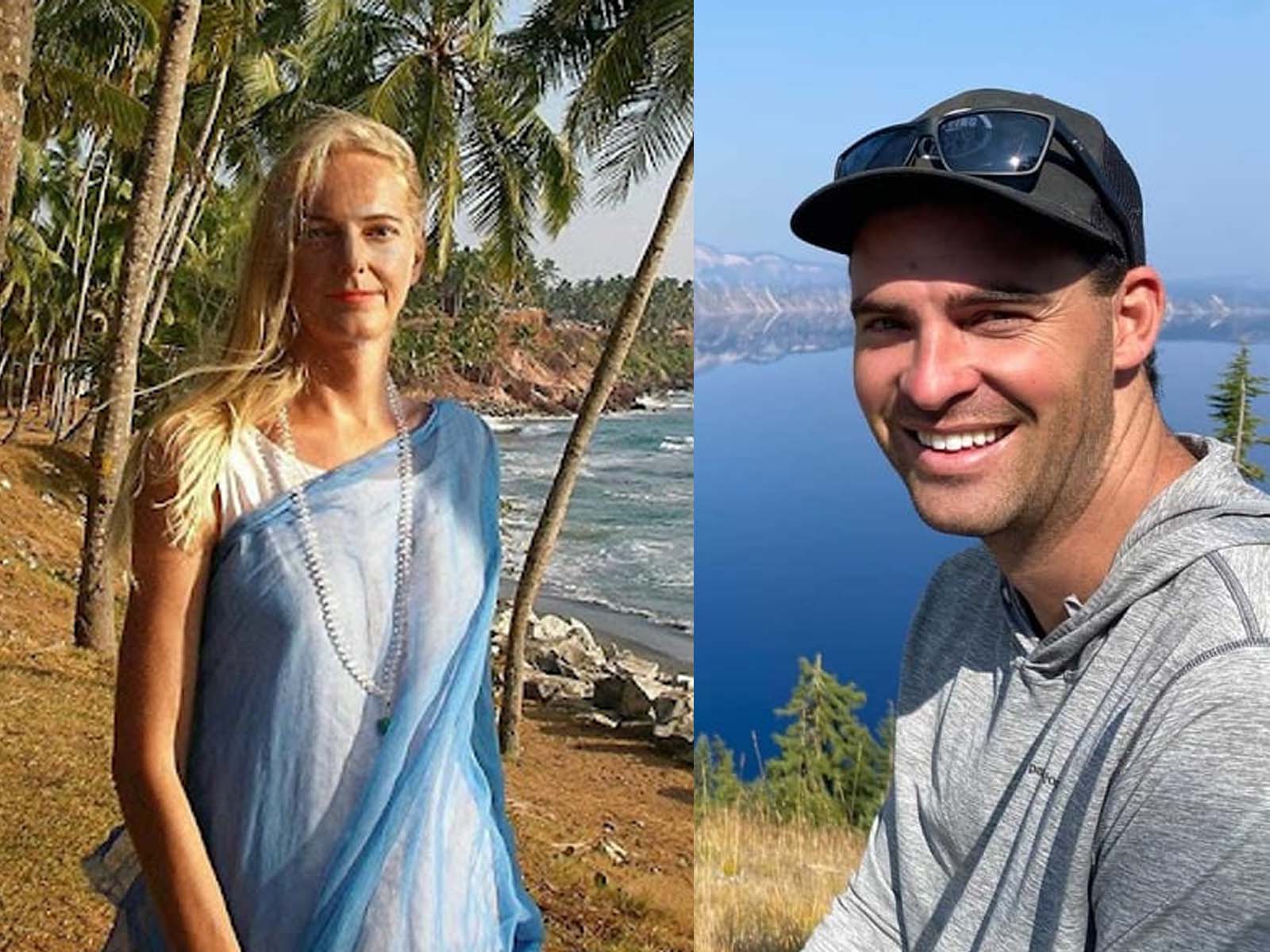
Klinefelter syndrome affects approximately 1 in 500 to 660 males, yet roughly 75% of those affected never receive a diagnosis. While internet lists often claim numerous celebrities have this chromosomal condition, only four public figures have actually confirmed their diagnoses through medical records, autobiographies, or direct public statements. Their stories provide genuine insight into living with Klinefelter syndrome.
This article is for informational purposes only and should not be taken as medical advice. The four individuals discussed have publicly confirmed their diagnoses through autobiographies, media interviews, organizational leadership, or personal statements. Klinefelter syndrome can only be verified through professional genetic testing. Always consult a healthcare provider for medical concerns.
Key Takeaways
- Klinefelter syndrome (47,XXY) is a chromosomal condition affecting males who have at least one extra X chromosome
- Common features include small testes, reduced testosterone, taller stature, and infertility or severely reduced fertility
- Diagnosis requires karyotype analysis (chromosomal blood test)
- Only four public figures have confirmed diagnoses: Caroline Cossey, Lauren Foster, Véronique Renard, and Ryan Bregante
- Three underwent gender transition; one is a prominent male advocate who identifies as male
- Their stories show the diversity of experiences with Klinefelter syndrome
- Most males with Klinefelter syndrome identify as male and live typical lives with proper medical support
What Is Klinefelter Syndrome?
Klinefelter syndrome (KS) is the most common sex chromosome aneuploidy, occurring when males are born with at least one extra X chromosome (47,XXY instead of the typical 46,XY). Key characteristics include:
- Small testes and reduced testosterone production
- Infertility or severely reduced fertility (the most consistent feature)
- Taller than average stature with longer limbs
- Possible gynecomastia (breast tissue development)
- Reduced facial and body hair
- Potential learning difficulties particularly with language
Early diagnosis and treatment with testosterone replacement therapy can significantly improve quality of life. However, the condition remains severely underdiagnosed, with many men discovering it only during fertility evaluations.
4 Public Figures With Klinefelter Syndrome
1. Caroline Cossey (Tula)
Full name: Caroline Cossey (born Barry Kenneth Cossey)
Date of birth: 31 August 1954
Place of birth: Brooke, Norfolk, England
Profession: Model, actress
Caroline Cossey has the most thoroughly documented case of Klinefelter syndrome among public figures. Born with the XXXY variant (two extra X chromosomes, occurring in approximately 1 in 85,000 births), she was diagnosed at Charing Cross Hospital in London at age 17.
Cossey detailed her diagnosis and life journey in two autobiographies: I Am a Woman (1982) and My Story (1991). She underwent hormone therapy and gender reassignment surgery, becoming a successful international model. She gained particular fame for appearing in the 1981 James Bond film For Your Eyes Only and became the first openly transgender woman to pose for Playboy magazine.
Her case is confirmed across multiple credible sources including LGBT History UK archives, mainstream media coverage, and her own extensively documented personal accounts. Cossey has been a vocal advocate for transgender rights and has spoken openly about her experiences with the XXXY variant of Klinefelter syndrome.
Cossey’s openness about her diagnosis helped bring awareness to Klinefelter syndrome decades before it became widely discussed online. Her autobiographies provide detailed medical and personal accounts that remain valuable resources for understanding the condition.
2. Lauren Foster
Full name: Lauren Foster
Date of birth: 4 December 1957
Place of birth: Durban, South Africa
Profession: Model, LGBTQ coordinator
Lauren Foster was diagnosed with Klinefelter syndrome (47,XXY) as a child. She has confirmed this diagnosis through multiple public statements in W Magazine, Miami New Times, South Africa’s Mail & Guardian, and on her personal about.me page.
Foster has described the diagnosis as “an affirmation of who I was and how I felt.” She began hormone therapy at age 17 and underwent gender reassignment surgery at 18. Foster became one of the first transgender models to appear in Vogue and built a successful international modeling career.
Today, Foster works as an LGBTQ coordinator at the University of Miami Hospital, where she supports patients navigating gender identity and healthcare. She continues to speak openly about her experiences with Klinefelter syndrome and has become an advocate for both transgender rights and greater awareness of chromosomal conditions.
Foster’s transition from childhood diagnosis to advocacy work illustrates how early identification and proper support can lead to positive outcomes. Her current work in healthcare helps bridge the gap between the medical community and those affected by similar conditions.
3. Véronique Françoise Caroline Renard
Full name: Véronique Françoise Caroline Renard
Date of birth: 26 May 1965
Place of birth: Netherlands
Profession: Author, visual artist
Véronique Renard was diagnosed with 47,XXY Klinefelter syndrome by the Amsterdam Gender Team at age 17 in 1982. She documented her diagnosis and life journey thoroughly in her 2007 memoir Pholomolo: No Man No Woman.
In her book, Renard describes how reading about Caroline Cossey in a Dutch tabloid prompted her to seek medical evaluation. The diagnosis confirmed what she had long felt about her identity. She later adopted “Caroline” as part of her legal name in tribute to Cossey, whose story had been so pivotal in her own journey.
Renard has built a career as both an author and visual artist in the Netherlands. Her memoir provides detailed insights into the medical, psychological, and social aspects of living with Klinefelter syndrome, particularly in the context of gender identity.
Renard’s memoir offers one of the most detailed first-person accounts of the diagnostic process and lived experience of Klinefelter syndrome. Her story also illustrates how representation matters—seeing Cossey’s story gave her the framework to understand her own experience.
4. Ryan Bregante
Full name: Ryan Bregante
Date of birth: Not publicly disclosed
Place of birth: United States
Profession: Klinefelter syndrome advocate, founder of Living with XXY
Ryan Bregante was diagnosed with Klinefelter syndrome at age 9, making him one of the relatively rare cases of early childhood diagnosis. Unlike the previous three individuals, Bregante identifies as male and has not undergone gender transition—representing the vast majority of men with KS who live as men.
Recognizing the lack of accessible, accurate information and support for people with Klinefelter syndrome, Bregante founded Living with XXY, which has become one of the most prominent advocacy organizations for the KS community. The organization focuses on authentic representation, sharing verified first-person stories from real community members rather than celebrity speculation.
Through Living with XXY, Bregante has worked to:
- Increase awareness about Klinefelter syndrome
- Combat misinformation and celebrity speculation lists
- Provide support resources for newly diagnosed individuals and their families
- Advocate for earlier diagnosis and better medical care
- Build a community where people with KS can connect and share experiences
Bregante’s public advocacy work has made him one of the most visible faces of the Klinefelter syndrome community in the 2020s. He speaks openly about his diagnosis and experiences, helping to normalize conversations about chromosomal conditions.
Bregante’s story provides crucial representation for the majority of males with Klinefelter syndrome who identify as male. His organization has become the gold standard for KS advocacy, focusing on real stories rather than celebrity myths.
Frequently Asked Questions
How common is Klinefelter syndrome?
Approximately 1 in 500 to 660 males are born with an extra X chromosome. However, up to 75% never receive a diagnosis.
How is Klinefelter syndrome diagnosed?
Diagnosis requires karyotype analysis—a blood test that examines chromosomes. It cannot be diagnosed through physical examination alone or through online quizzes.
Can someone with Klinefelter syndrome have biological children?
Natural fertility is rare but not impossible. Modern reproductive techniques, particularly testicular sperm extraction combined with IVF, have enabled some men with KS to father biological children. This is why claims about celebrities with multiple biological children having KS are medically implausible.
Do all males with Klinefelter syndrome undergo gender transition?
No. The vast majority of males with KS identify as male and do not transition. Among the four confirmed public cases, three involved transition and one did not and this is the diversity of individual experiences rather than a typical outcome.
What’s the difference between Klinefelter syndrome and being intersex?
Klinefelter syndrome is one specific chromosomal variation (47,XXY). The term “intersex” or “DSD” (Differences of Sex Development) encompasses a broader range of conditions involving atypical sexual development, which may or may not include chromosomal variations.
Where can I find accurate information about Klinefelter syndrome?
Legitimate resources include:
- Living with XXY (founded by Ryan Bregante, who was diagnosed at age 9)
- AAKSIS (American Association for Klinefelter Syndrome Information and Support)
- UK’s KSA (Klinefelter’s Syndrome Association)
- AXYS (Association for X and Y Variations)
These organizations share verified stories from real community members rather than celebrity speculation.
Wrap up
While internet lists frequently claim numerous celebrities have Klinefelter syndrome, only four public figures have confirmed diagnoses: Caroline Cossey, Lauren Foster, Véronique Renard, and Ryan Bregante. All four were medically diagnosed and have publicly disclosed their conditions, contributing to greater awareness through their openness.