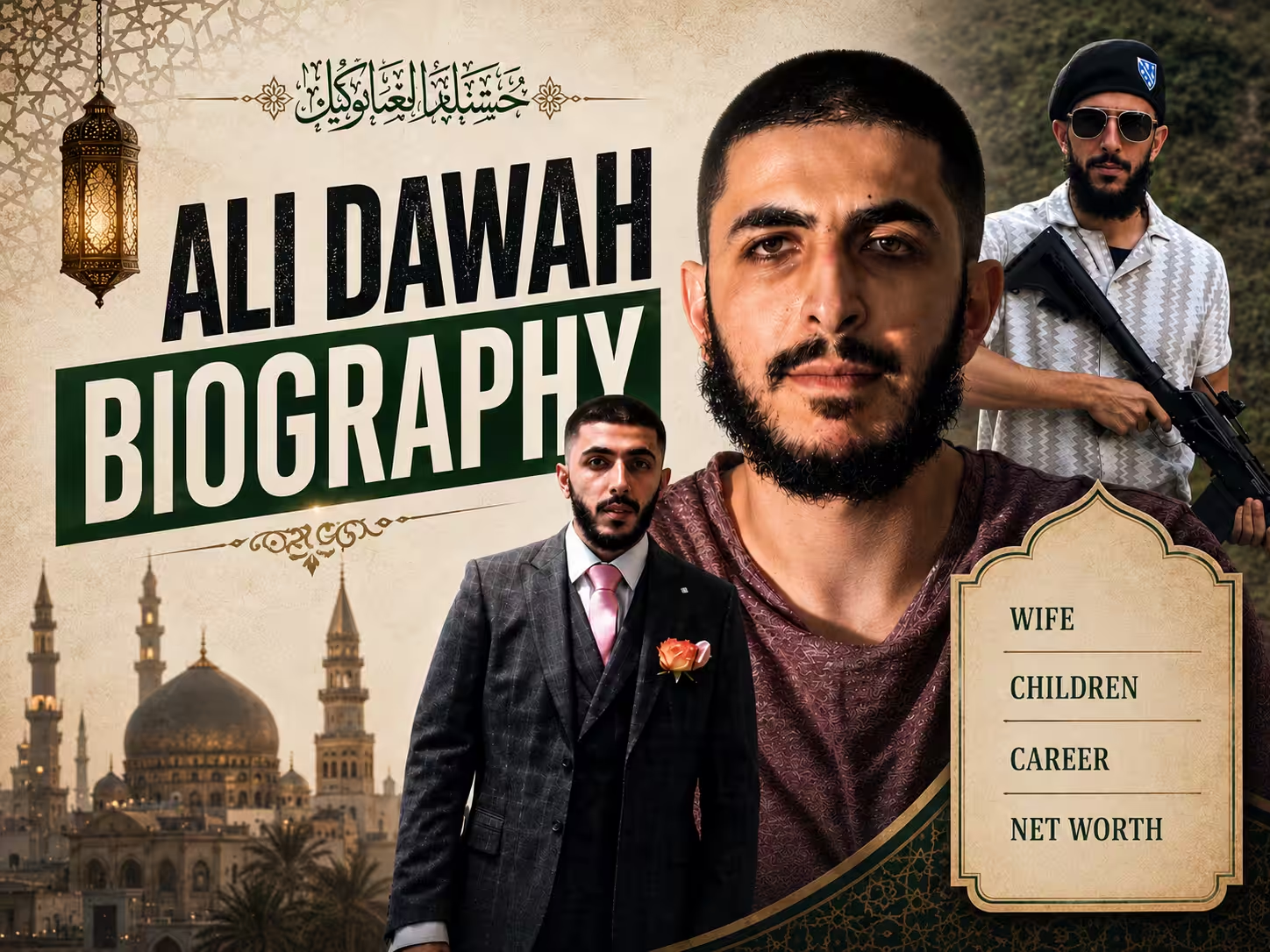
Not many people build a million-subscriber YouTube channel starting from gang life in London. But that’s precisely the journey of the man known to the world as Ali Dawah. His real name is Erdi Kilic, something he’s addressed himself directly, joking on Instagram that “my real name is Erdi, not Ali Dawah.” Born on 6 April 1989, he’s a Kurdish-descent English YouTuber whose content spans Islamic dawah, politics, and current affairs. His story is one of genuine personal change, and it’s a big part of why so many people find his message compelling.
Table of Contents
Quick Facts
| Full Name | Erdi Kilic |
|---|---|
| Date of Birth | 6 April 1989 |
| Age | 37 years old |
| Birthplace | London, United Kingdom |
| Origin | Kurdish Turkish |
| Ethnicity | Kurdish (identifies more strongly as Kurdish than Turkish) |
| Nationality | British |
| Religion | Islam (Sunni) |
| Conversion Date | 23 December 2012 |
| Height | 5 ft 9 in (1.75 m) |
| Profession | YouTuber, Dawah Speaker, Content Creator |
| Net Worth | $100,000 – $500,000 |
Biography
Erdi Kilic grew up in London to a Kurdish Alevi family originally from Turkey. His parents raised him in the UK, though the household was marked by a complex religious mix. His father was originally an atheist, while his mother’s family came from the Alawi sect of Shia Islam. Neither parent is publicly named, and Ali has kept their identities largely out of the spotlight. Formal religious practice wasn’t a defining feature of his upbringing.
On his ethnicity, Ali has been candid. In his own words, he considers himself more Kurdish than Turkish, but defaults to saying Turkish in public because Kurdish identity isn’t widely understood outside of that cultural context. It’s a small but telling detail about how he navigates identity in the public eye.
As a teenager, things took a difficult turn. He got into trouble at school and joined gangs, which eventually led his father to move him to Grimsby, where he started to learn about Islam. It was there, away from the environment pulling him in the wrong direction, that something began to shift.
After witnessing tragedies, including his cousin dying by suicide, and reflecting on the emptiness of materialism, he became a Sunni Muslim on 23 December 2012. He’s even recalled the approximate time, around 5pm, which speaks to how significant that moment remains for him. That decision would reshape everything about how he lived and what he chose to do with his voice.
Career
Ali Dawah launched his YouTube channel in September 2013 with a video titled “Ali in Speakers’ Corner: Anti Christ Debate.” Speakers’ Corner, the famous open-air debate spot in Hyde Park, London, became closely associated with his early work and remains one of the most-searched terms linked to his name. He wasn’t interested in soft, sanitized content from the start. He wanted real conversations, in public, with real people willing to engage.
His channel grew steadily through street dawah videos, Speakers’ Corner debates, and interviews with non-Muslims asking genuine questions about Islam, God, and morality. His direct, unscripted style attracted an audience that responded to someone willing to stand in a public square and hold his ground. The channel has since grown to over 1.3 million subscribers, placing him among the more prominent Islamic content creators in the English-speaking world.
Beyond YouTube, Ali Dawah is involved with the Salam Initiative, an outreach and dawah project aimed at making Islamic teachings more accessible to everyday people. The initiative runs open dawah tables for public dialogue and has developed the Salah Plus app, available on both the Apple App Store and Google Play Store, offering accurate prayer times, step-by-step video tutorials on performing Salah, and connections to local prayer hubs across the UK and Europe.
Alongside the app, Ali Dawah has been closely associated with the Salah Pro guided prayer mat, a smart prayer mat designed to help new Muslims and children learn and perfect their prayers. In his own words, the goal behind these projects is not simply to create products but to build tools that bring people closer to their faith. It’s a practical, community-driven vision that extends well beyond YouTube views.
He has also produced a reality show for Muslim youth on the Muslim Youth Movement channel and has collaborated with other well-known dawah figures and Islamic speakers throughout his career. His content covers comparative religion, philosophy, lifestyle guidance for young Muslims, and responses to current affairs affecting Muslim communities globally.
Personal Life
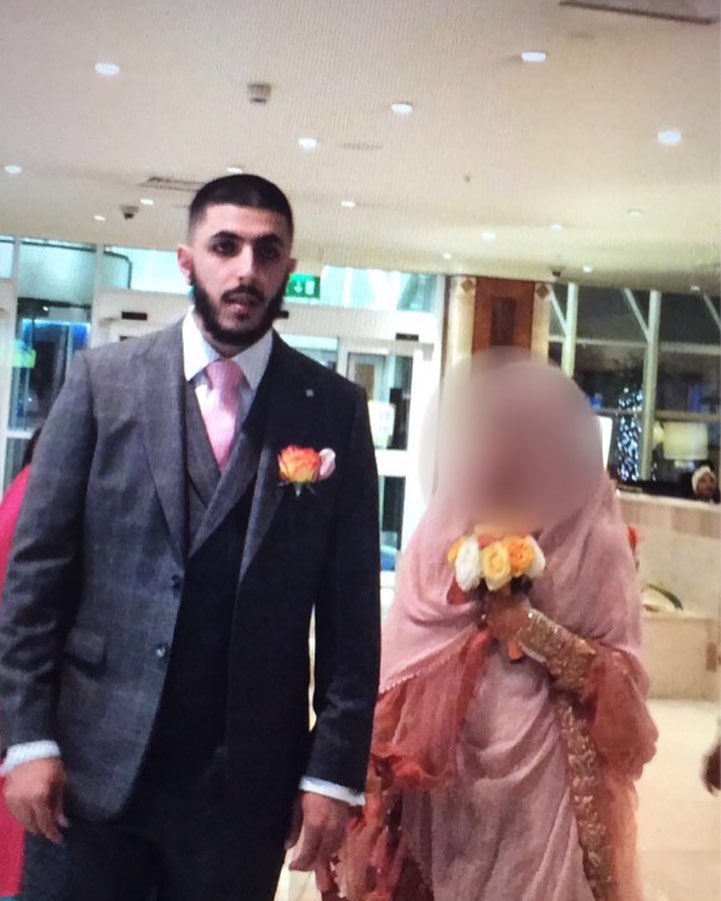
Ali Dawah has two children and has been married to his wife since September 2016. He has never publicly disclosed her name, and he keeps her face blurred in any photographs shared online. It’s a boundary he’s maintained consistently since the marriage – a deliberate separation between his public platform and his home life. Their older daughter was born between 2018 and 2019, and a younger child arrived between 2023 and 2024.
Away from the camera, he’s more relaxed than his debating persona might suggest. He’s described as enjoying golf, boat riding, snooker, football, and long drives with friends. He has a preference for Chinese and Asian food, a sweet tooth after meals, and has mentioned boxing and the gym as regular habits. It’s a fuller picture of someone who balances an intense public role with a fairly ordinary private life.
Ali occasionally shares general family-oriented reminders with his audience but stops well short of putting his children in the spotlight. One personal detail he’s shared openly is that he thinks about death every morning when he wakes up, framing it not as morbidity but as an Islamic mindfulness practice that keeps his priorities in order.
Ali Dawah has not been without controversy. In 2020, he stated publicly that he would permit his daughter to marry if she reached the age of menstruation, regardless of her age at the time. The comment provoked widespread backlash from both Muslim and non-Muslim communities. He has not issued a formal public retraction, and the episode remains part of the documented record of his career.
Net Worth
Ali Dawah’s net worth is estimated at between $100,000 and $500,000. His income is built primarily through his YouTube presence and social media platforms, with earnings coming from advertising revenue, brand collaborations, and sponsored content. Event appearances, dawah-related donations, and his involvement with the Salam Initiative and the Salah Pro project further contribute to his overall income. Given the variable nature of content creator earnings, estimates across sources reflect that broad range rather than a single confirmed figure.
Social Media
Ali Dawah maintains an active presence across multiple platforms. His primary YouTube channel, Ali Dawah, is where he posts his longer debates, street interviews, and dawah content, and it currently has over 1.3 million subscribers. On Instagram, he goes by @mralidawah, where he shares personal updates, reminders, and occasional behind-the-scenes content. He’s also active on TikTok under Ali Dawah, posting shorter clips and highlights from his debates and public engagements. For those looking to follow his community work specifically, the Salam Initiative maintains its own separate presence online as well.