

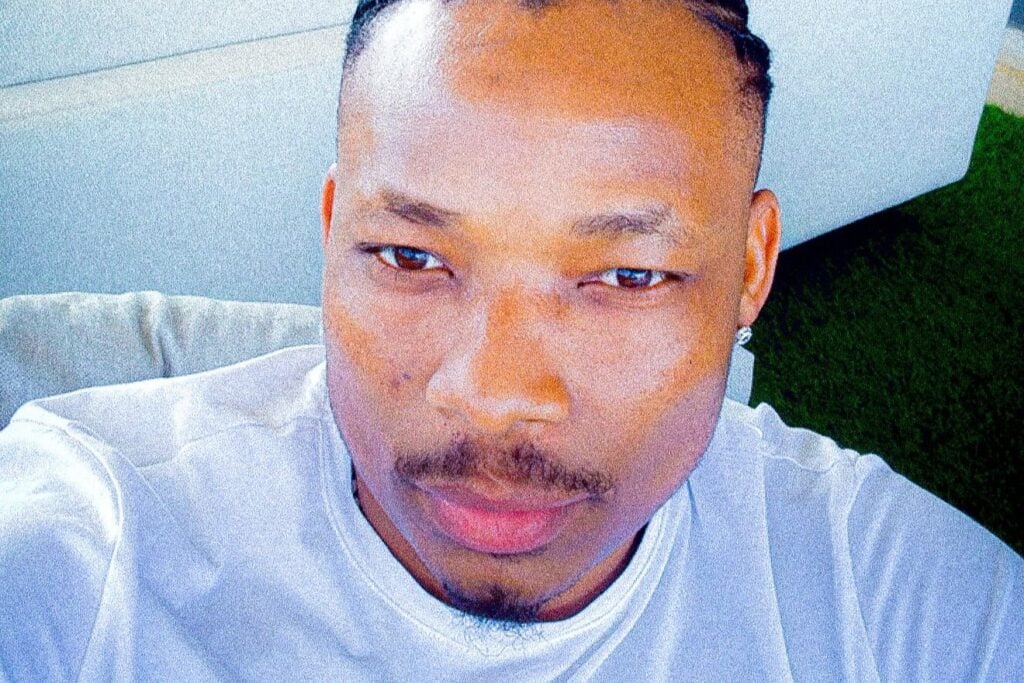
Few artists have made independence look as good as this Kenyan R&B star, who built a career, a fan base, and a small fortune almost entirely outside the traditional record label system. Otile Brown has spent the better part of a decade turning heartbreak, romance, and Swahili-laced R&B into some of East Africa’s biggest streaming numbers, and his personal life has generated almost as much conversation as his music.
| Date of Birth | March 21, 1994 |
|---|---|
| Age | 32 years |
| Nationality | Kenyan |
| Zodiac Sign | Aries |
| Occupation | Musician, Songwriter, Guitarist |
| Net Worth | $500,000 |
| Real Name | Jacob Otieno Obunga |
| Ethnicity | Luo |
| Zodiac Sign | Aries |
| Years Active | 2016 – present |
| Record Label | Independent (formerly Dreamland Music) |
| Notable Songs | Imaginary Love, Dusuma, Chaguo la Moyo, Baby Go, Jamila |
| Albums | Best of Otile Brown (2017), Just in Love (2020) |
| Relationship Status | Single (previously dated Vera Sidika and Nabayet) |
Biography
Otile Brown was born Jacob Otieno Obunga on March 21, 1994, in Kisumu, Kenya, though his family later moved to Miritini in Mombasa, where he spent most of his childhood. He comes from the Luo community and has described himself as the last born in a family of four, with three older brothers and a sister.
Both of his parents are deceased, with his mother passing away in 2006 when he was still a teenager, a loss he has said shaped much of his early hunger to make something of himself. Growing up in Mombasa exposed him to a mix of coastal Swahili culture, reggae, and international R&B, all of which later showed up in his sound.
He picked up the guitar early and began writing songs long before he had any real platform to perform them on, teaching himself the instrument rather than going through formal music school. That self-taught, do-it-yourself streak became the backbone of his entire career, since Otile Brown has operated as an independent artist for almost his entire run in the industry.
Career
Otile Brown’s breakout moment came in 2016 with “Imaginary Love,” a single featuring Kenyan rap heavyweight Khaligraph Jones that introduced his smooth, melodic style to a mainstream audience and led to a deal with Dreamland Music. He followed that momentum with his debut project, Best of Otile Brown, in 2017, an eight-track collection that leaned heavily on his songwriting and vocal control rather than big-name features.

His 2020 album, Just in Love, expanded his reach further with ten songs and collaborations that included Mejja, Tanzanian singer Juma Jux, and Rwandan star Meddy. Along the way, he built a catalogue of hits that crossed borders easily, including “Dusuma” with Meddy, “Chaguo la Moyo” with Sanaipei Tande, “Jeraha” with Jovial, and “Woman” alongside Tanzanian Bongo Flava star Harmonize. He also worked with West African acts, teaming up with Nigerian singer Kizz Daniel on “Baby Go” and with Reekado Banks on “Jamila,” collaborations that helped cement his reputation beyond East Africa.
The recognition followed the music. Otile Brown won Male Video of the Year at the 2018 Pulse Music Video Awards, and in 2022 he received the Gold Play Button from YouTube after crossing one million subscribers on his channel. His song “Chaguo la Moyo” was also singled out as one of the most-watched videos by a Kenyan artist, racking up tens of millions of views.
He has stayed active well into 2026, releasing a steady run of singles including “Ni Wewe,” “Sio Leo,” and “Body On Me,” a collaboration with fellow Kenyan artist Willy Paul titled “PM,” and a reunion with Jovial titled “Ulinihukumu,” proof that his output hasn’t slowed even a decade into his career. That run of releases came with a nomination at the 2026 Entertainment and Arts Excellence Awards (EAEA Global), putting him back in the conversation alongside Kenya’s biggest current hitmakers.
Music
Otile Brown’s sound sits comfortably between contemporary R&B, Afropop, and Bongo influences, delivered mostly in a mix of Swahili and English that makes his music accessible across East Africa and beyond. Songs like “Bounce,” “Kenyan Girl,” “Can’t Get Enough,” “Acha Waseme,” “Yule Mbaya,” and “Siku Yetu” make up a catalogue built around romance, longing, and heartbreak, themes he returns to often because they mirror his own well-documented love life.
His EP, The Real King of the East, released in November 2025, leaned into that same emotional territory while reinforcing his standing as one of Kenya’s most consistent hitmakers. What sets him apart from many peers is that he has done almost all of this without a major label behind him, handling his own releases, features, and brand partnerships, a level of independence that has made him a reference point for younger Kenyan artists looking to build a career on their own terms rather than waiting for a record deal.

Personal Life
Otile Brown’s relationships have played out almost as publicly as his discography. He dated Kenyan socialite and media personality Vera Sidika, and although the two broke up in 2018 over what he described as a misunderstanding, he later admitted in 2024 that dating her had actually boosted his career and that the two remained on friendly terms. Their history flared up again in March 2026 after Otile Brown publicly criticized a provocative post Vera shared, and the exchange got messier once she was seen at a Kenyan motorsport event alongside younger musician Tipsy Gee, with fans reading her subsequent “move on” captions as a jab aimed at her ex.
His most talked-about relationship was with Ethiopian model Nabayet, whom he dated publicly for a few years before confirming their breakup in January 2022. Otile Brown later said he traveled to Ethiopia in an attempt to win her back, but the distance and time apart had changed things between them. When Nabayet got married in 2025, he admitted the timing stung, especially since he had just featured her in an unreleased song.
In July 2026, Otile Brown’s working relationship with fellow Kenyan singer Jovial, his collaborator on “Jeraha” and the 2026 single “Ulinihukumu,” spilled into a bitter public dispute. Speaking in an interview with radio personality Alex Mwakideu, Jovial said she had gone largely unpaid for their joint hits and was struggling financially despite the success of songs like “Such Kinda Love,” while Otile Brown countered that he had covered her hospital bills after she gave birth, arranged transport for her, and had himself gone years without collecting his own publishing royalties because of Africa’s inconsistent royalty-tracking systems. The exchange took a personal turn when Otile Brown claimed a DNA test had confirmed he was not the father of Jovial’s child, a comment that appeared to address earlier online speculation linking him to the birth. Jovial publicly asked that her child be left out of the dispute, and the two issued conciliatory statements within days of the exchange going public.
Separately, a woman identified as Mbiama went public in early 2026 claiming Otile Brown had fathered her three-year-old daughter, saying she had tried reaching him privately for years and was now demanding a DNA test to settle the matter, which she said she was willing to pay for herself. Otile Brown has not addressed or confirmed that claim, so it remains an unresolved allegation rather than a verified fact. Taken together, he has denied fathering Jovial’s child and has not responded to Mbiama’s claim, meaning he has not publicly confirmed having any children of his own.

Net Worth
Given that he has operated independently for most of his career, a more realistic estimate puts his net worth somewhere around $500,000.
That figure is believed to be built from a mix of music royalties, YouTube ad revenue from a channel that has already earned him a Gold Play Button, live performance fees, brand endorsements, and the kind of consistent streaming income that comes from a back catalogue spanning multiple hit singles and albums. His own mid-2026 admission that he went years without collecting publishing royalties on some of his biggest collaborations suggests the real number could have been higher still, had Africa’s royalty infrastructure worked more efficiently in his favor.
He has also shown a taste for luxury vehicles, including a BMW 7 Series, a Mercedes E250, and a Range Rover Vogue reportedly worth around sixteen million Kenyan shillings, purchases that suggest a healthy, if not enormous, income stream. With new music still coming out regularly in 2026, his earning potential looks likely to keep climbing rather than plateau.
Frequently Asked Questions
What is Otile Brown’s real name?
Otile Brown was born Jacob Otieno Obunga. He adopted his stage name early in his music career and has performed under it ever since.
Is Otile Brown married?
No, Otile Brown is not married. He has previously dated Kenyan socialite Vera Sidika and Ethiopian model Nabayet, but he is not currently in a publicly confirmed relationship.
Does Otile Brown have children?
Otile Brown has not publicly confirmed fathering any children. He has said a DNA test cleared him as the father of singer Jovial’s child, and a separate paternity claim from a woman identified as Mbiama remains unaddressed.
What tribe is Otile Brown from?
Otile Brown is from Kenya’s Luo community. He was raised largely in Mombasa, which gave his music a coastal Swahili influence alongside his Luo heritage.
What is Otile Brown’s net worth?
Otile Brown’s net worth is realistically estimated at around $500,000, built from music royalties, YouTube revenue, live shows, and brand endorsements, despite some aggregator sites citing far higher, unverified figures.
When was Otile Brown born?
Otile Brown was born on March 21, 1994, in Kisumu, Kenya.
More Musicians, Singers, and Rappers




More Kenyan Celebrities





More Aries Celebrities




Related Articles
 Top 10 Richest South African Musicians (2026)
 Top 10 Richest Nigerian Female Musicians (2025)
 Top Globally Recognized Nigerian Artists
 Richest Nigerian Footballers of All Time (2026 Net Worth and Earnings Rankings)
 Nigerian Musicians Who Own Record Labels
 Top 10 Most Followed Nigerian Celebrities on Instagram (2025)
 Top 10 Richest Nigerian Actors (2025)